
AN EXCLUSIVE BACK-END PREVIEW OF OUR LEADS
AN EXCLUSIVE BACK-END PREVIEW OF OUR LEADS

Seminars are a BIG part of business, and filling the room is critical. Traditional direct-mail campaigns work well, but we want to take it further for you and embrace whre we are as a culture… and that means leveraging digital media.
We do offer facebook as asupplement for a Direct Mail campaign.
Our Seminar Marketing Program is the prefect addition to direct-mail and has distinct advantages to boost your campaign results. Facebook allows you to reach more and different prospects than direct-mail alone.
Different people respond to different types of ads, whether mailed or digital. When the two are combined, the result for you is seminar room with more attendees and more prospects to follow up with afterward. We see the Seminar Marketing Programs bridging that gap to ultimately help you along to success.

1
Utilize Informative Handouts: Provide attendees with educational materials that contain valuable information about Medicare plans, coverage options, and any recent updates in the healthcare industry.
2
Bring Permission To Contact Forms: Ensure you have forms that attendees can fill out to grant you permission to contact them for follow-up discussions or to provide additional information about your services.
3
Bring at Least One Assistant: Having an assistant can help manage logistics, facilitate smooth registration, and provide additional support during the event, allowing you to focus on delivering a compelling presentation.
3
Be Personable: Establish a warm and welcoming atmosphere by engaging attendees in conversations, addressing their concerns, and building a personal connection to establish trust and rapport.
5
Invite Current Clients: Encourage your existing clients to attend the seminar, as their presence can add credibility to your services and help build trust among potential clients.
6
Deliver Post-Seminar Thank You Notes: Send personalized thank-you notes to attendees, expressing your gratitude for their participation and reiterating your willingness to assist with any further questions or concerns they might have.
7
Inform Attendees of Future Event Dates: Communicate upcoming dates for any follow-up events, seminars, or informational sessions to keep the attendees engaged and informed about ongoing opportunities for learning and engagement.
Maximize your attendance with some helpful advice from over 30 years of experience.
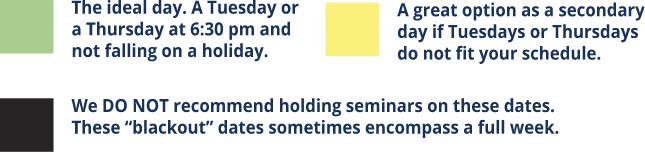
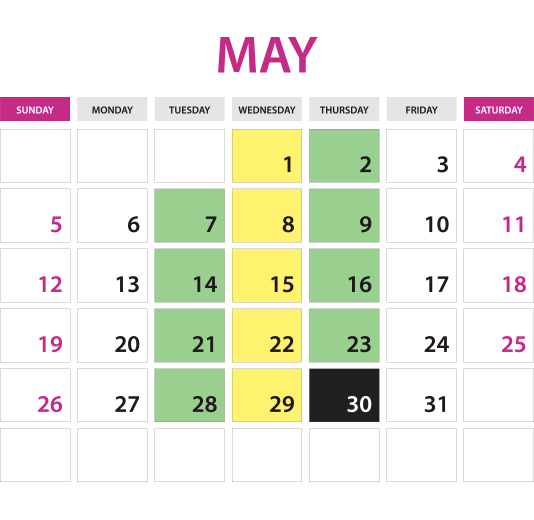
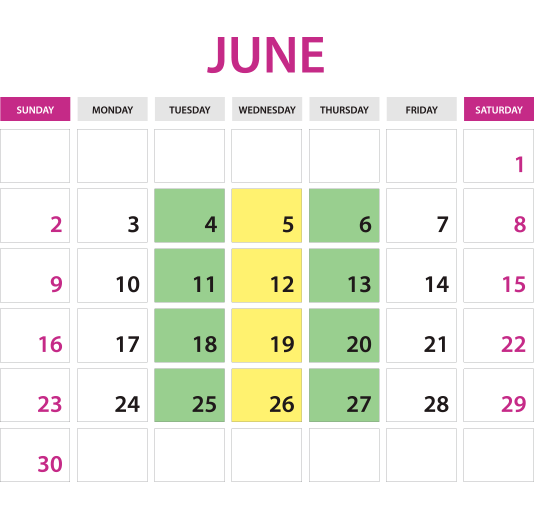
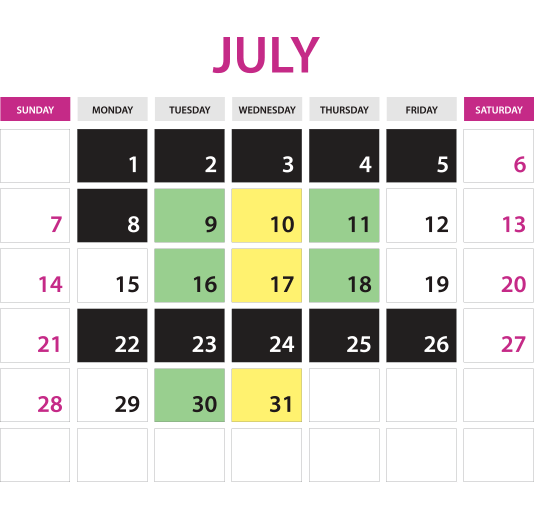
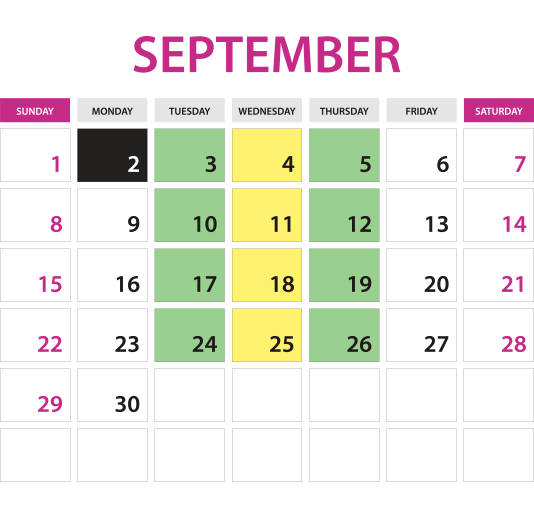
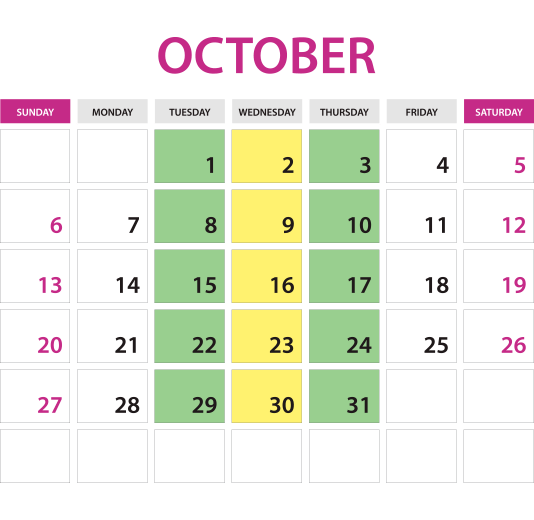
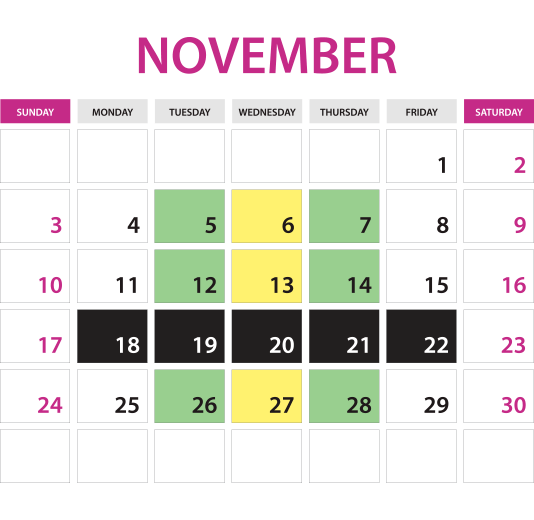
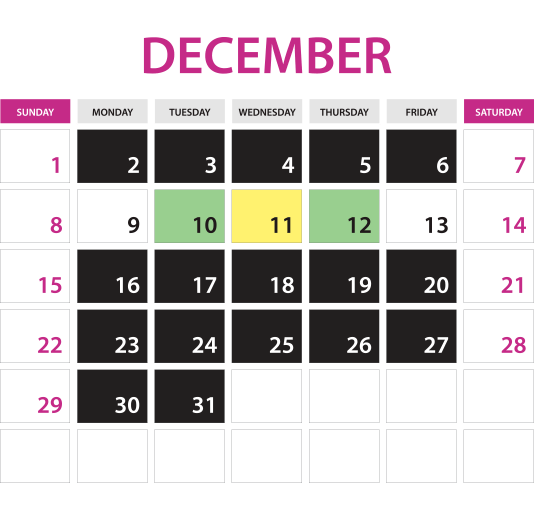
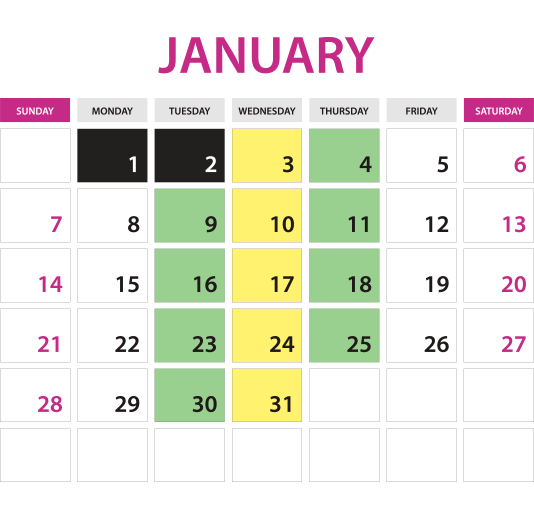
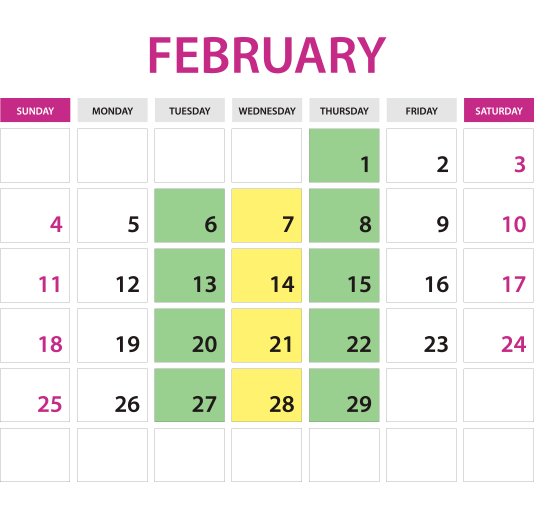
Plan Your Seminar 4 Weeks Out. We recommend mailing at least 2,000 names if doing one seminar location, 4,000 mailers if you are doing two locations, and 5,000+ mailers if you are hosting at three locations.

Direct mail is a time-tested method that will help you locate prospects. It offers flexibility, selectivity, and accountability. Prospecting via direct mail gives you control of the segment of the market you wish to reach as well as the selected sales message. It also affords you the opportunity to schedule your efforts. A properly orchestrated direct mail program can land increased commissions, returning your investment many times over.
Agents know that the lifeblood of their business is prospecting. Without a prospect, there can be no sale and no commissions. Direct mail helps uncover new prospects and expand your markets. Agents who understand the philosophy of direct mail and appreciate its role in prospecting and sales will reap rich rewards.

• Help you expand your marketplace and put you in front of prospects you would never have reached on
referrals alone.
• Lead you to prospects who have already expressed an interest in what you have to say.
• Reduce your operating expenses and assist you in the control of your time by enabling you to prospect in specific geographic areas to selected, targeted prospects.
• Help you eliminate sales slumps as a result of a lack of good, qualified prospects.
• SELL INSURANCE ON THEIR OWN!
A lead is not an automatic sale. When your lead generation program is mailed, the reply card included in the package is intended to be an “invitation to inquire.” Those persons who return the cards have accepted that invitation. They have identified with the need created by the mailing package and are requesting additional information. They have expressed an interest in what you have to say, but they have not made a commitment to buy. Your job is to convert the leads you receive into sales.

Every prospect who takes the time to return the reply card has an interest in what you are offering. The longer you delay following up, the lesser your chances of selling.
Direct mail is a numbers game governed by the law of averages. Consistent use of a direct mail program will produce positive results. Given time, the law of averages will work for you.

Your first step is to make an appointment with the respondent. To do so, you can either gain an appointment at the door by going directly to the home of the lead card prospect or you can call your prospect to set an appointment.
By going directly to the homes of your prospects in an effort to gain appointments, you will experience a certain number of callbacks. (When your prospect isn’t home or if they request to see you at a more convenient time.) The inconvenience of an occasional callback is more than offset by the fact that you will be able to conduct a greater number of selling interviews
by going to prospect’s homes than if you try to set
appointments by phone first.


When going directly to the home of the prospect, remember: Your first objective is getting in the door. Once you’re at the prospect’s front door, with their reply card in hand, ring the doorbell or firmly knock, then move back a step or two and wait for someone to answer the door. You don’t want to appear overeager or threatening.
See the following for an example

Hello , my name is (give name.)
Several weeks ago, you returned this card (show card) requesting additional information about the latest changes in Medicare and how these changes will affect you and your present healthcare coverage.
Do you recall sending this card in? (Offer the card and in most instances they will open the door, take a look at the card, and acknowledge sending it in. Once they acknowledge sending it in, continue…)
Mr./Mrs. , your card was forwarded on to me and I’ve been asked to provide you with the information you requested. I’ve got a booklet I’d like to leave with you and some other information I’d like to review with you. It will only take me about 15 minutes to cover this information with you.
Is now a convenient time?
(If yes, ask if you might come in. If no, set up an appointment at a later time.)

In setting appointments over the phone, remember that your ONLY objective is to set the appointment. Any deviation from that goal (such as answering questions and giving information) will significantly reduce your chances of getting an appointment. For that reason, we find that the appointment-setting process is much more effective if the agent has someone else set it for them (secretary, spouse, assistant, etc.)

Mr./Mrs. , my name is (give name.)
I’m calling on behalf of <agent> . Recently you returned a card requesting additional information on the latest changes in Medicare and how these changes will affect you and your healthcare coverage. Do you recall mailing that card in? (If yes, continue. If no, review the card and help them remember.)
Mr./Mrs. <Prospect, that card was forwarded to and he has been asked to provide you with the
information that you asked for.<Agent> will be in your neighborhood later this week. He would like to drop by your house and leave information with you on <Day> at
Which time would be most convenient for you?
(If the prospect asks any questions, the person setting the appointment should respond, “I really don’t know. My job is simply to set <Agent’s> appointments. I’m sure <Agent> will answer that question when they come by.” and continue to try and set an appointment time.)

Mr./Mrs. <Prospect> , my name is (give name.)
Recently you returned a card requesting additional information on the latest changes in Medicare and how these changes will affect you and your healthcare coverage. Do you recall mailing that card in? (If yes, continue. If no, review the card and help them remember.)
Mr./Mrs. <Prospect>, that card was forwarded to me and I have been asked to provide you with the information you asked for. I will be in the neighborhood later this week. I’d like to drop by your house and leave the information with you on <Day> at <Time> or on <Day> at <Time>
Which time would be most convenient for you?

You may encounter several questions from your prospect before they grant you an appointment time. Remember, provide too much information and you run the risk of losing your appointment. Listed below are two of the most frequent questions and a suggested response to both.

Q:
I thought I was going to get that information in the mail. Can’t you just mail me the information?
A:
We used to mail the information to those who requested it. However, we found that once those people had the opportunity to look over the information, they always had a couple of questions that they needed answers to. By personally delivering the information to you, I’ll be able to highlight the critical points and I’ll be there to answer any questions you may have. Mr./Mrs. <Prospect>…
Which time is most convenient for you: <Day> at <Time> or <Day> at <Time>?
Q:
Are you going to try and sell me insurance?
A:
Mr./Mrs. <Prospect>, I do sell insurance, but my primary purpose in seeing you is to provide you with the information that you requested. If, after you’ve had an opportunity to preview the information, you feel that you’d like me to review your current health insurance coverage with you, I’d be happy to do so. If not, just tell me and I’ll be on my way. Fair enough?
Mr./Mrs. <Prospect, which time is most convenient for you: <Day> at <Time> or <Day> at <Time>?


800.283.0187
info@leadconcepts.com